
Yosemite Lodge Cultural Landscape Report
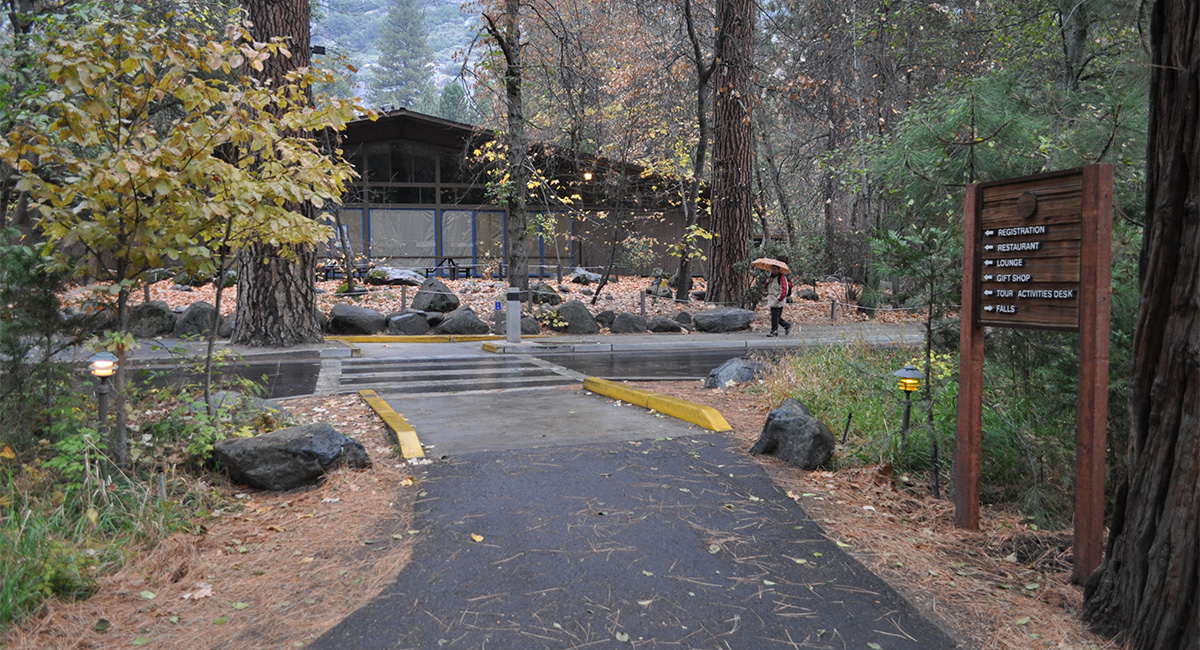
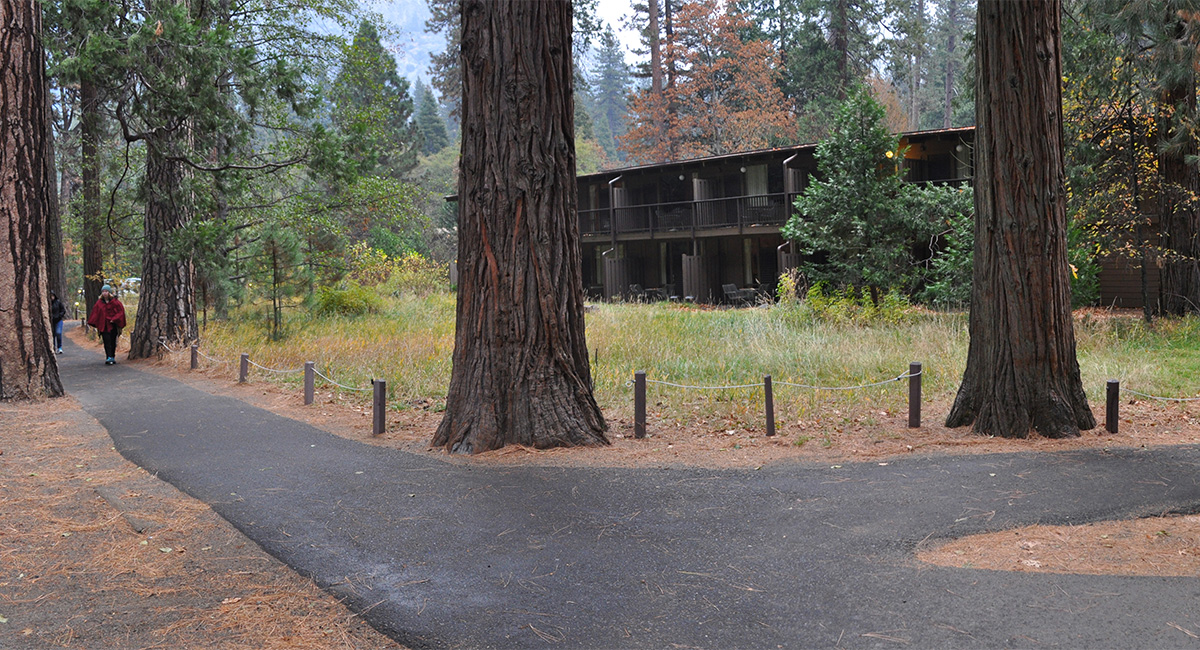
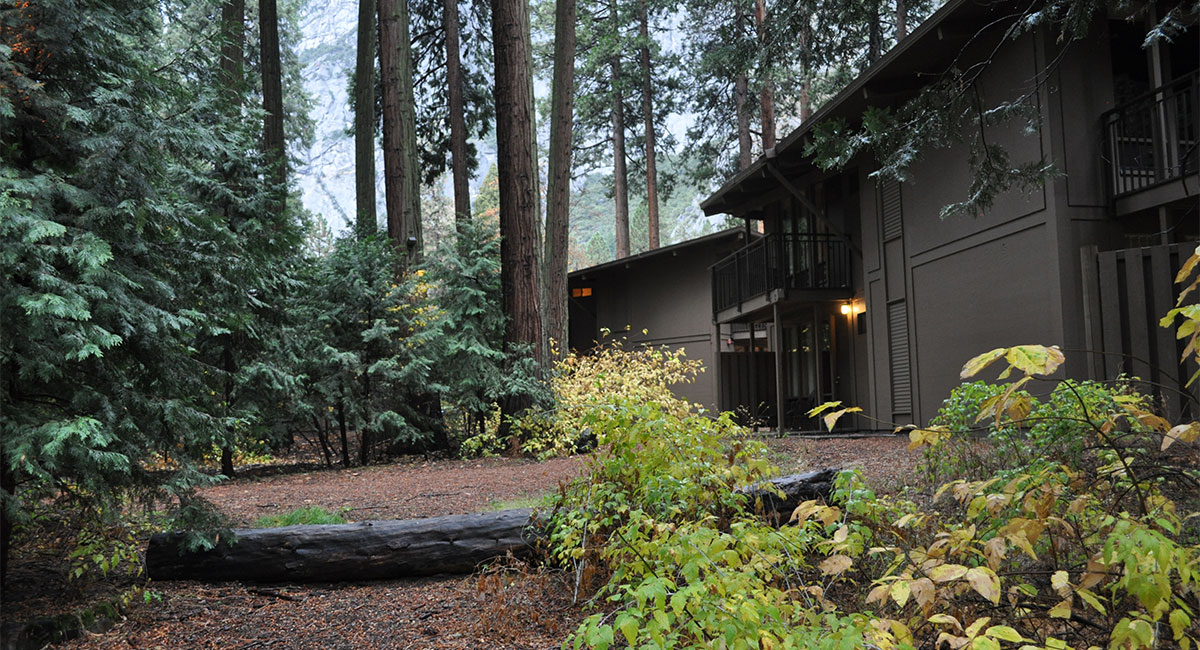
Yosemite Lodge is nestled in the heart of Yosemite Valley, a thriving nucleus of activity where natural wonders, history, archaeology, and tourism converge. Since 1915, the Lodge has welcomed guests from its prime location near the base of Yosemite Falls and multiple trailheads—set among Giant Sequoias, meadows, and majestic geologic formations. Long before the Lodge’s foundation was laid, the site was a significant American Indian settlement that predates White occupation of Yosemite Valley, with archeological resources found in multiple locations within the developed footprint of Yosemite Lodge.
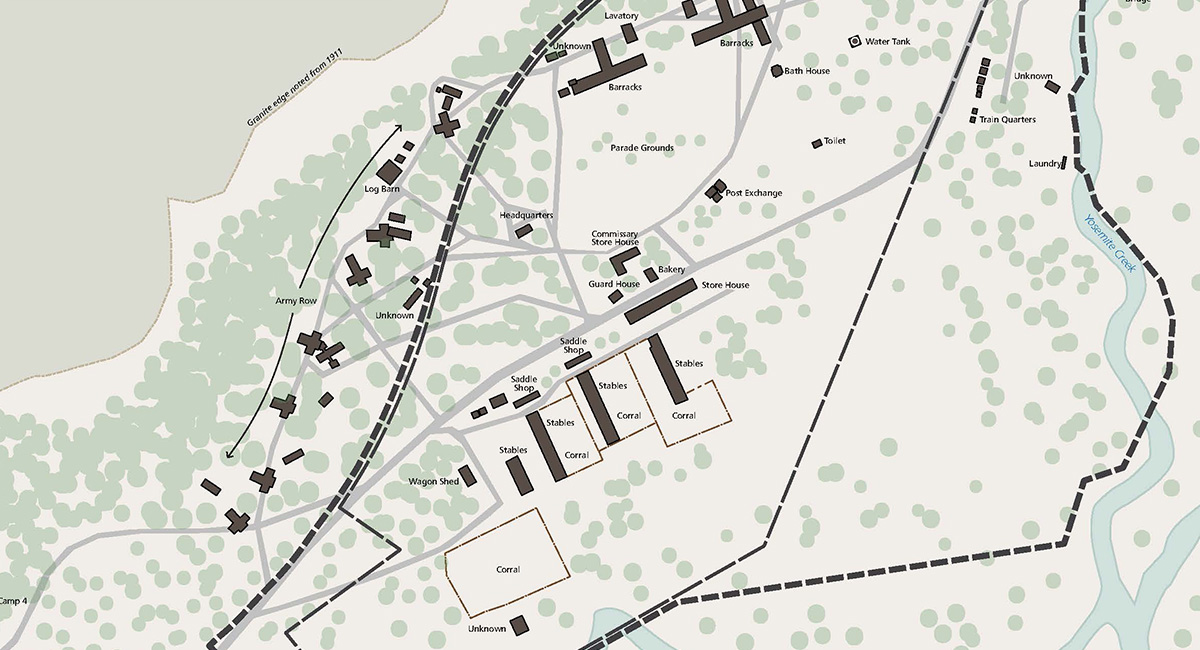
Within this context, MIG examined multiple layers of site history—from American Indian origins to the Mission 66 era motor lodge and landscape—to inform future planning and site design development and rehabilitation. The work involved in-depth historical research, field documentation, and site analysis of cultural landscape characteristics and features, including a series of period and existing site conditions plans illustrating development of the landscape over time and conditions in 1914, 1949, 1970, and 2018. MIG also oversaw the development of a determination of eligibility for a series of cabin resources that were not previously addressed in existing National Register of Historic Places nomination efforts.
The resulting Yosemite Lodge Cultural Landscape Report (CLR) clarifies the extent and significance of the landscape’s cultural resources and explains how to apply proposed treatment plans and design guidelines to planning and design processes so that rehabilitation projects are compatible with the cultural landscape. The CLR provides the National Park Service with a comprehensive tool for understanding the full complement of cultural resources, their context with the history of related resources in Yosemite Valley, and their relationship to two existing National Register of Historic Places nominations that cover this site.