
Chilkoot Trail Cultural Landscape Report
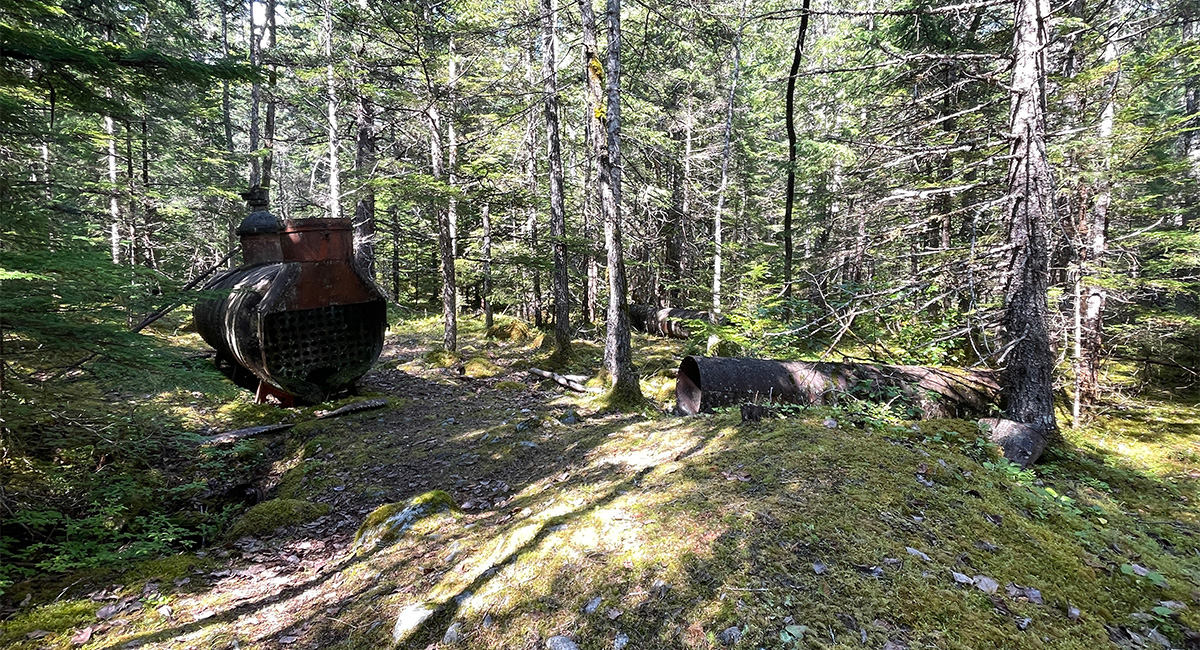
For hundreds of years, footsteps have followed Alaska’s legendary Chilkoot Trail through mossy river valleys and towering coastal rainforest to dry sub-alpine forests—first the Alaska Native people and later thousands of Klondike Gold Rush stampeders traveling to the Yukon between 1897 and 1898. The historic 16-mile route features centuries-old wear patterns, stones, and log work, along with numerous artifacts and relics from the Klondike Gold Rush.
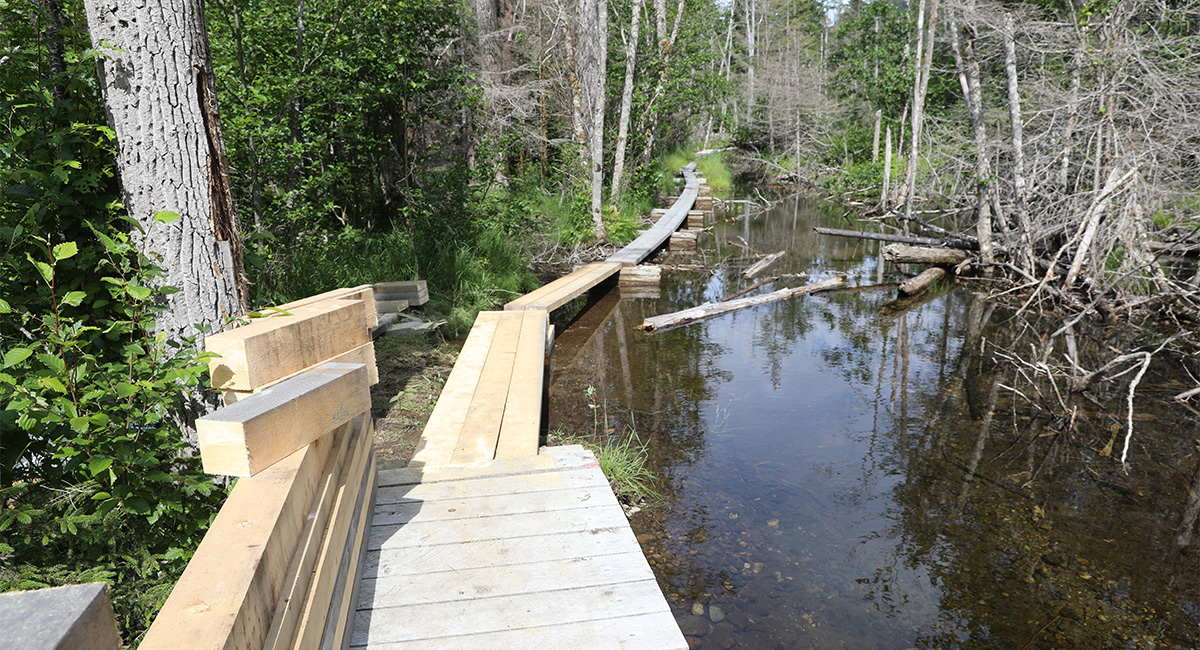
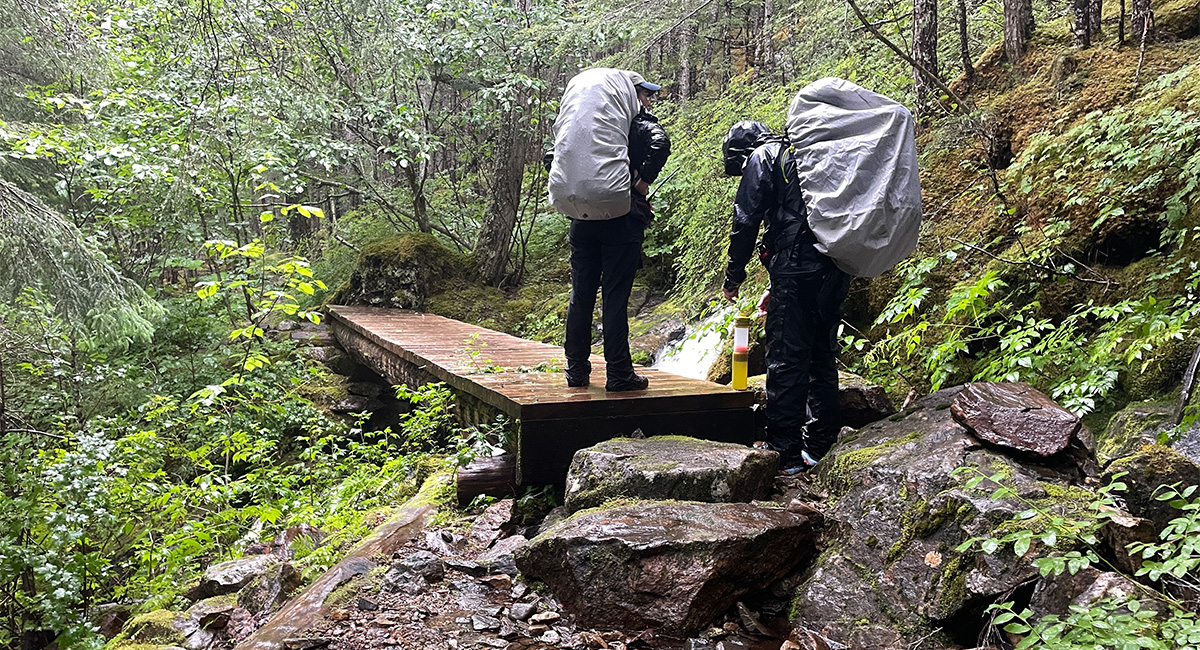
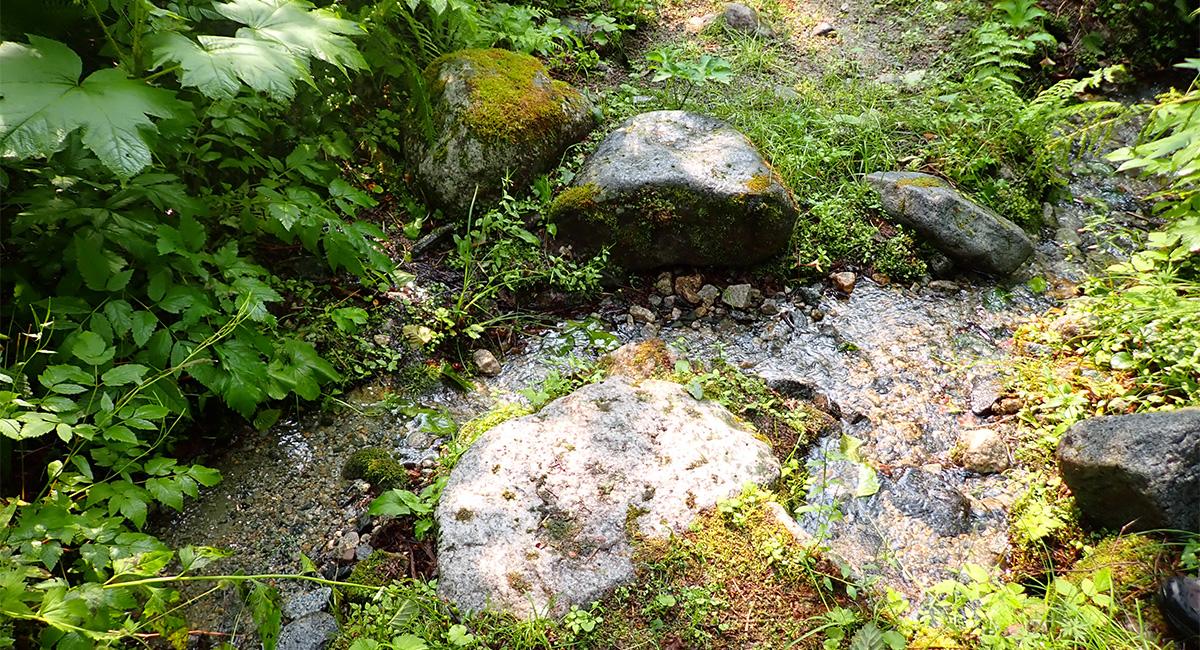
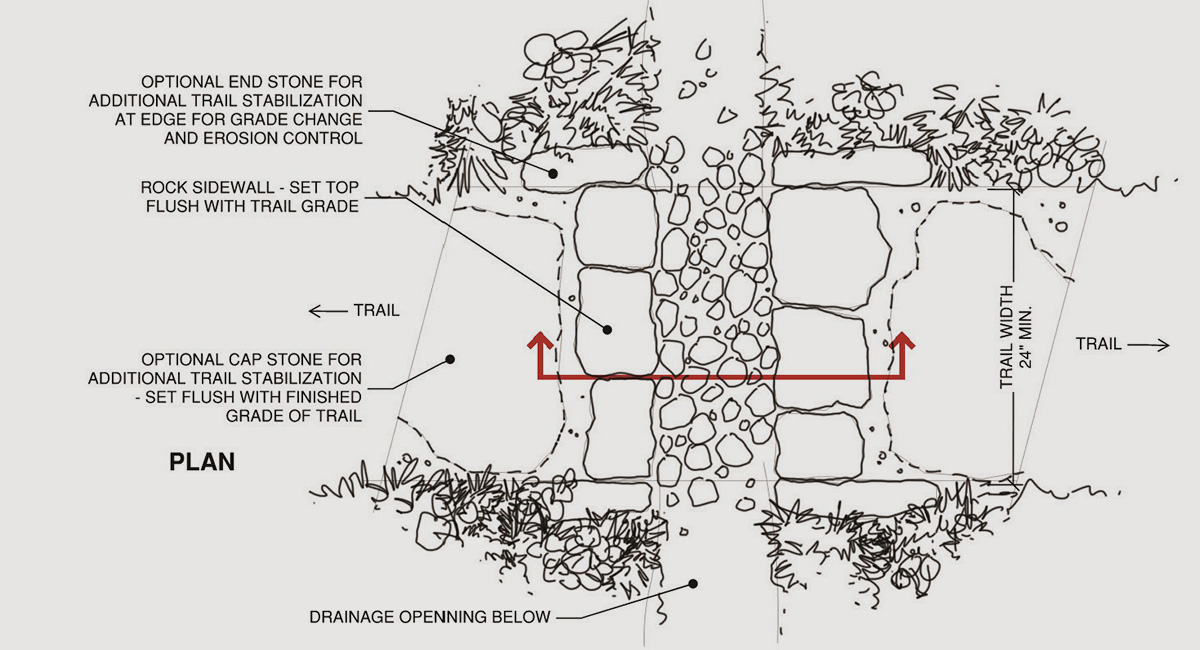
MIG collaborated with the National Park Service to prepare a Cultural Landscape Report (CLR) to preserve the Chilkoot Trail’s rustic character while protecting vulnerable archeological resources from erosion, flooding, avalanches, and washouts, and keeping the trail safe and operational. The first phase of work involved multi-day fieldwork to update previous trail documentation and assess trail conditions and landscape features, including archeological resources, historic trail elements, campgrounds, and important views that have helped orient trail users since the route was first established. Recommendations provide guidance for trail reroutes, compatible bridge replacements, detail design for typical in-trail features, and other ongoing maintenance activities required to sustain public access. The CLR recommends expanding consideration of the trail’s significance to include later historical periods, particularly the development of the recreational trail constructed by the State of Alaska in 1968.
By recognizing the dynamic natural processes that continually shape the trail, the CLR establishes a flexible planning and design framework to enable future generations to experience this nationally significant landscape, recognized in the National Historic Landmark for the Chilkoot Trail and Dyea.