
White Pass Historic Transportation System CLR
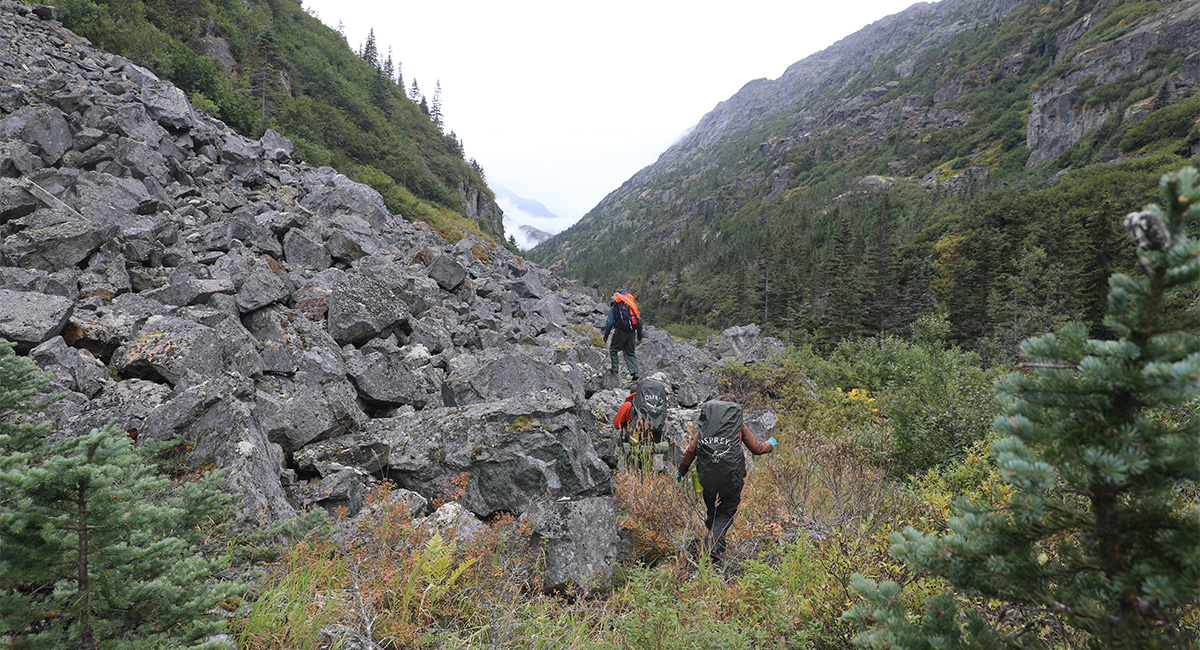
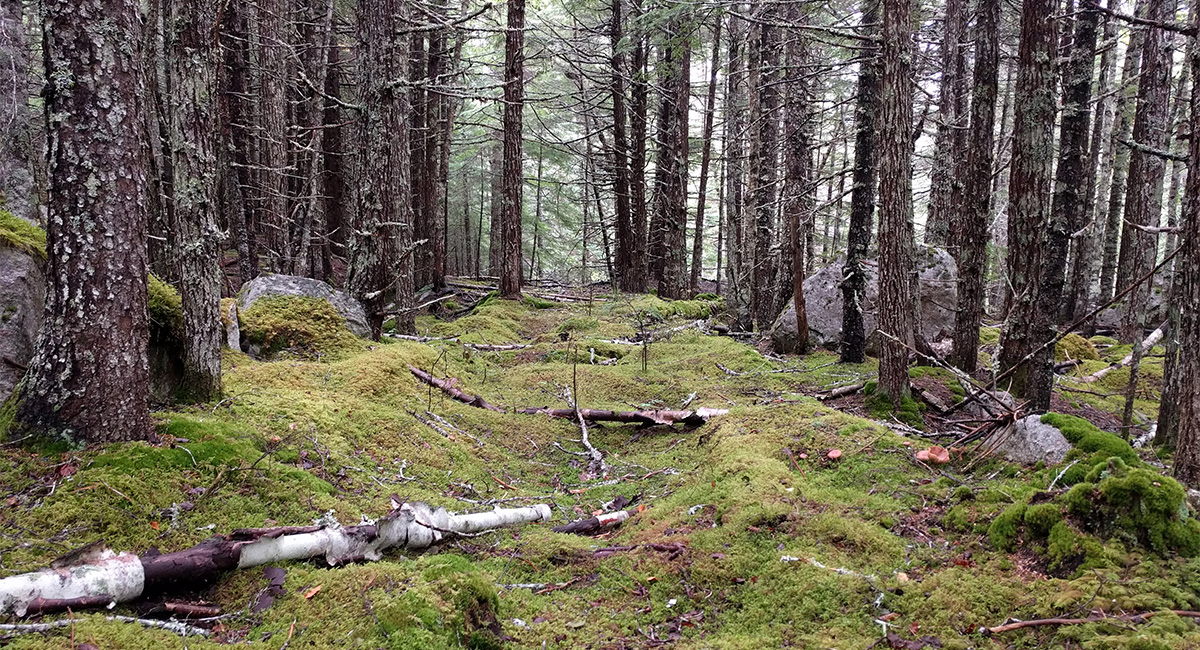
For centuries, Alaska’s rugged White Pass Trail challenged travelers with a grueling climb through mud, rocks, forests, and steep alpine terrain. The route tested the strength and perseverance of Alaska Native people and later thousands of Klondike Gold Rush stampeders, traveling from the Pacific coast to the Yukon between 1897 and 1898. Today, White Pass Trail, a 19-mile historic route, is managed as the White Pass Unit of Klondike Gold Rush National Historical Park and is accessible only to Park staff, law enforcement, and authorized government contractors given challenging access, safety concerns, and presence of vulnerable archeological resources.
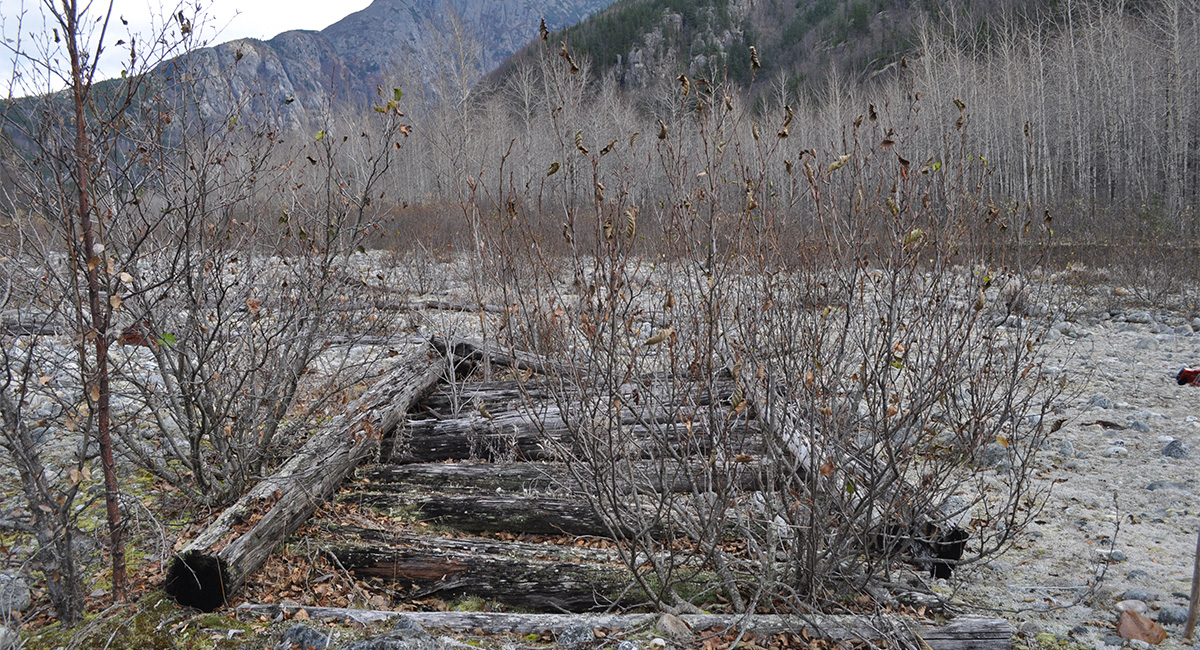
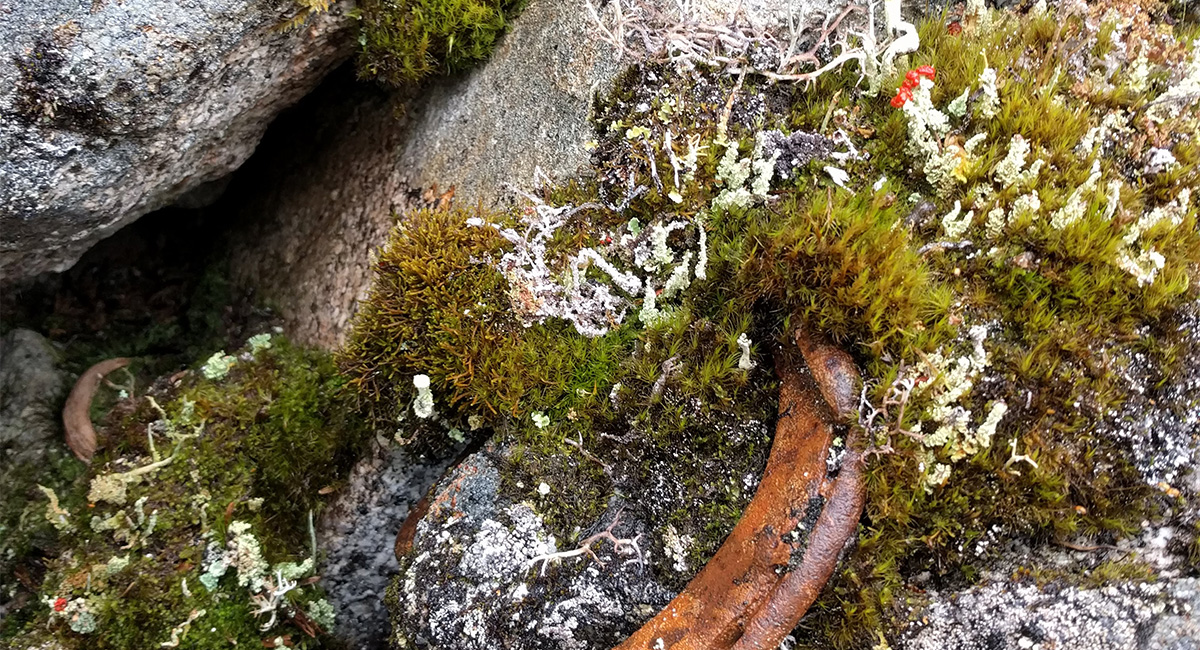
To build consensus on long-term stewardship priorities for the trail and guide future preservation and rehabilitation efforts, MIG facilitated workshops and review sessions with National Park Service (NPS), conducted extensive fieldwork, and prepared a Cultural Landscape Report (CLR) for White Pass Trail. The first phase of the CLR documented the landscape’s historical development during the Klondike Gold Rush through archival research and evaluated its significance using National Register of Historic Places documentation. The historic routes included an overlapping foot trail, wagon road, and railroad, some of which were built on top of each other as efforts were made to improve the condition of the arduous trail. The second phase included two field expeditions using survey-grade equipment to inventory what remains along the trail from the historic period. Repeat photography documented changes at key viewpoints. Fieldwork was complicated by rugged terrain, shifting waterways that fragmented trail alignments, and archaeological resources increasingly threatened by erosion and flooding.
As the first comprehensive documentation of this remote, fragile cultural landscape, the CLR provides a foundation for future research, preservation planning, and treatment decisions.