
Park Lane Street Closure Study
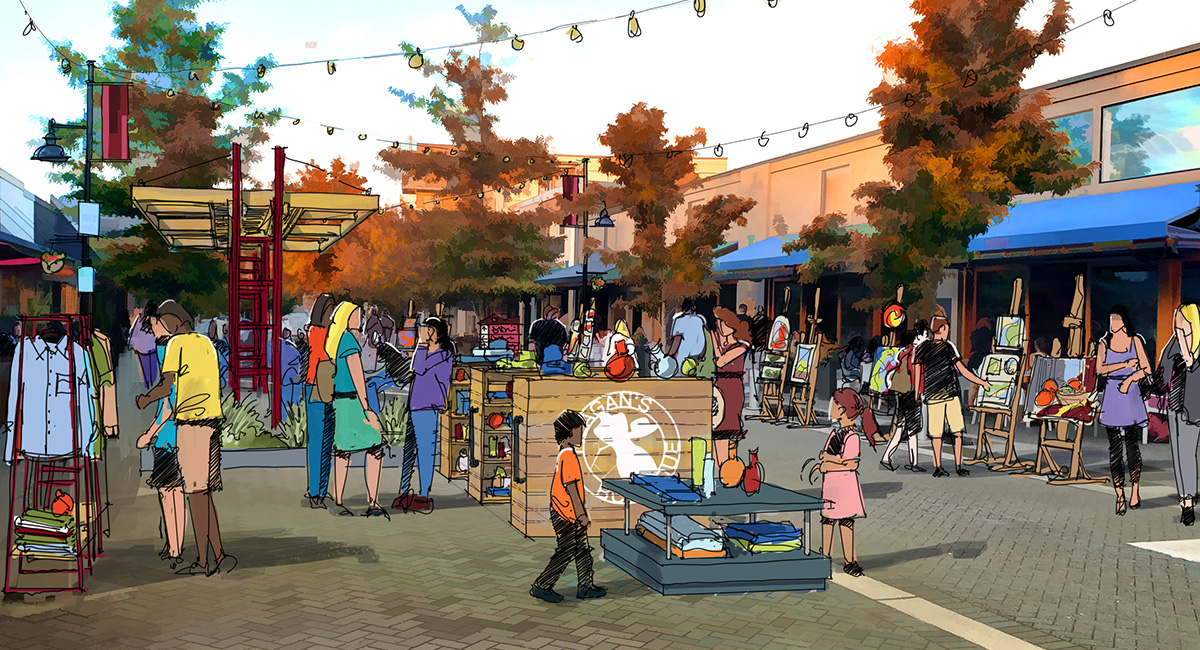
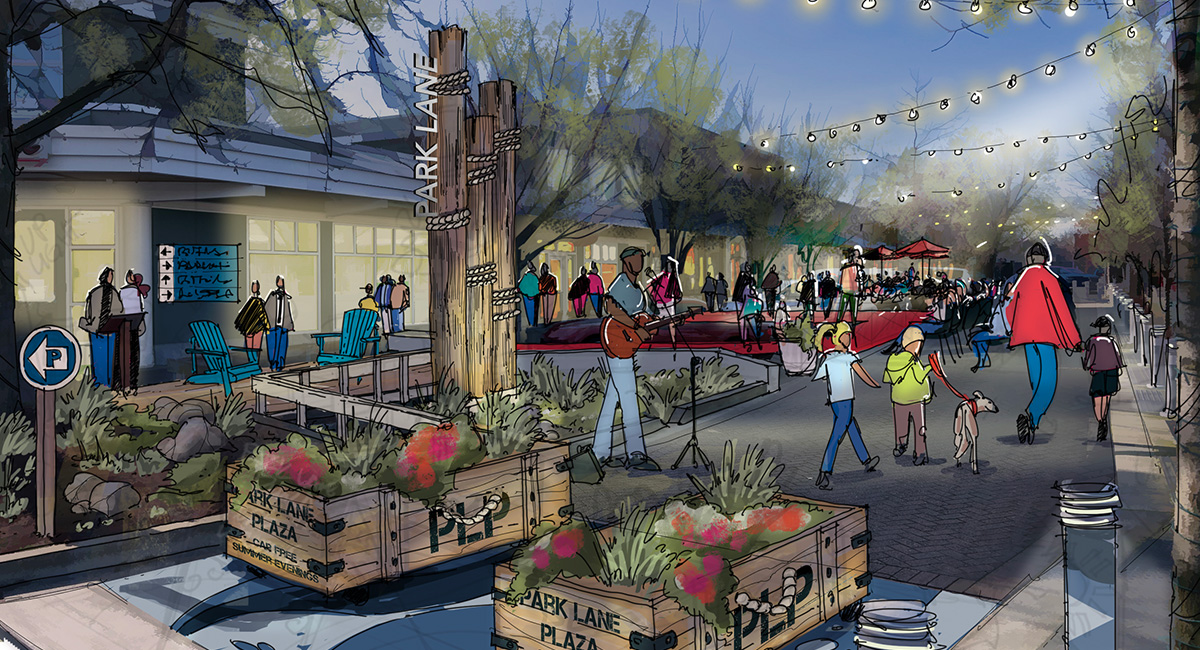
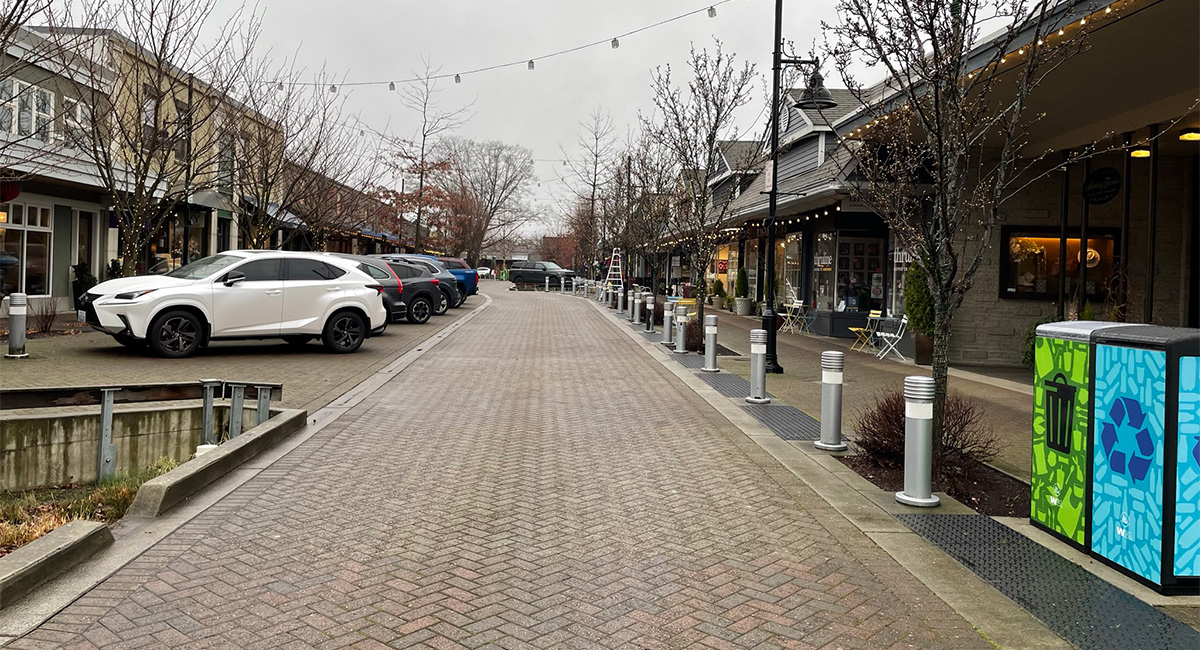
Park Lane is widely considered the centerpiece of Kirkland’s waterfront, downtown core. Residents and visitors alike appreciate the street’s pedestrian-oriented, curbless design and European plaza ambiance, which artfully blends expanded pedestrian areas with landscaping, public art, and plenty of space for outdoor dining, community markets, and strolling between shops restaurants, parks, and civic destinations.
Given the pride and popularity of the pedestrian-focused hub, the City conducted several temporary vehicular street closure pilots, and sought to quantify the operational and logistical feasibility of a more permanent change while continuing to support local businesses, deliveries, emergency access, maintenance, and community use.
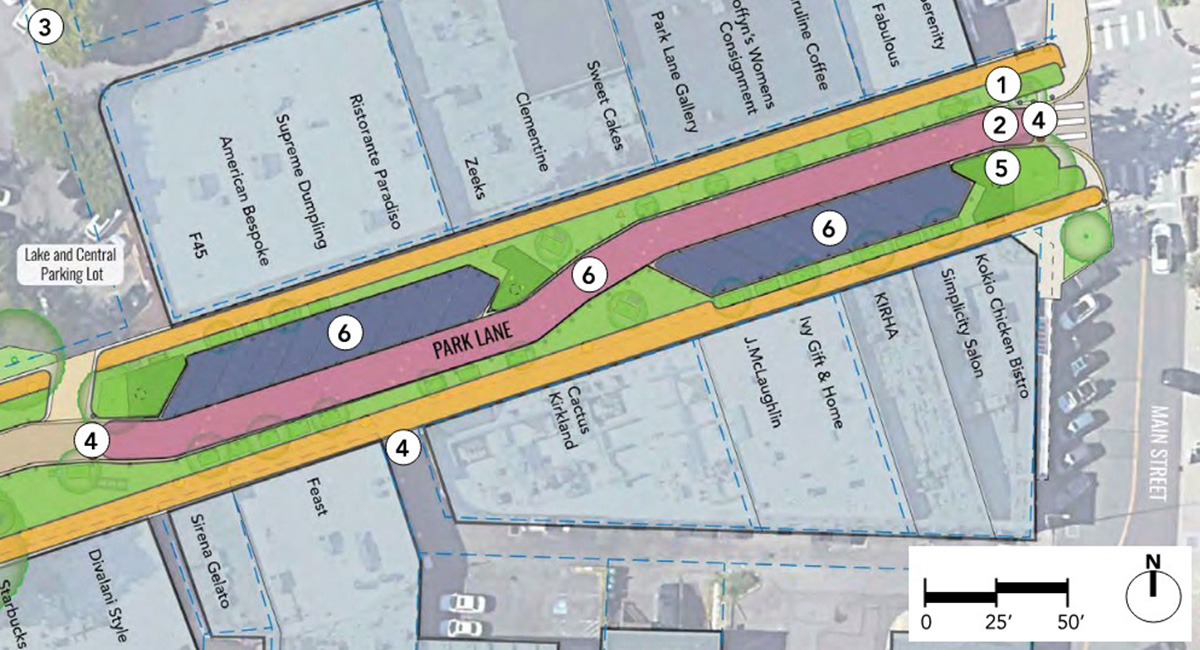
MIG evaluated three approaches: closing the street during summer evenings, closing it throughout the summer season, or creating a year-round pedestrian space. The study looked beyond conceptual designs to the practical requirements of each scenario, including infrastructure, parking and access, operations, programming, public safety, maintenance, staffing, and planning-level costs. The study gave City staff and Council a clearer understanding of the opportunities, tradeoffs, and resources required for each approach. Findings illuminated the detailed requirements of a permanent pedestrian space, including infrastructure investment, dedicated staffing, ongoing maintenance, and changes to deliveries, parking, and access.
With this information, the City chose to maintain Park Lane’s flexible street operation while investing in targeted infrastructure and operational improvements to support local businesses, events, and ongoing maintenance. The study resulted in a data-driven success story—allowing for an informed, fiscally responsible decision that preserves Park Lane’s vibrant balance.