
Design can do so much to enhance the way we interact with the world.
There’s human-centered design, where something that we create—a door, a coffee maker, a smart phone application, etc.—is so intuitive that someone can look at it and know instantly how to use it and interact with it.
Which is great but what if we could design something that doesn’t just address the immediate issue at hand? What if we could design things in a way that not only solves immediate problems but also in way that contributes to environmental restoration or addresses an overall societal need such as feeding the hungry or restoring civil rights or justice for all? Design something that can create a lasting impression for, dare we say, the greater good?
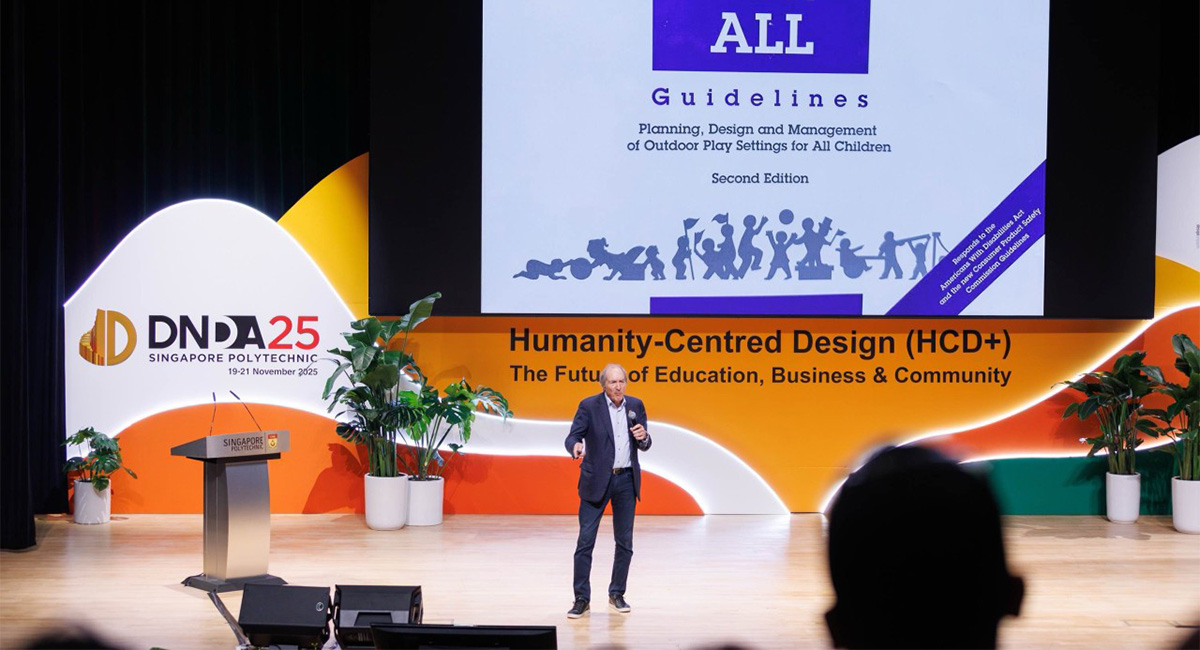
That’s humanity-centered design. And it was the key focus at this year’s Don Norman Design Award (DNDA) Summit 25 at Singapore Polytechnic in Singapore where event attendees came from all over the world to share ideas of how to improve the world for everyone—not just for those with the financial means at their disposal.
“This was the best professional conference we ever attended,” said MIG President and CEO Daniel Iacofano. “The speakers were very compelling, and they shared many innovative ideas for making the world a better place.”
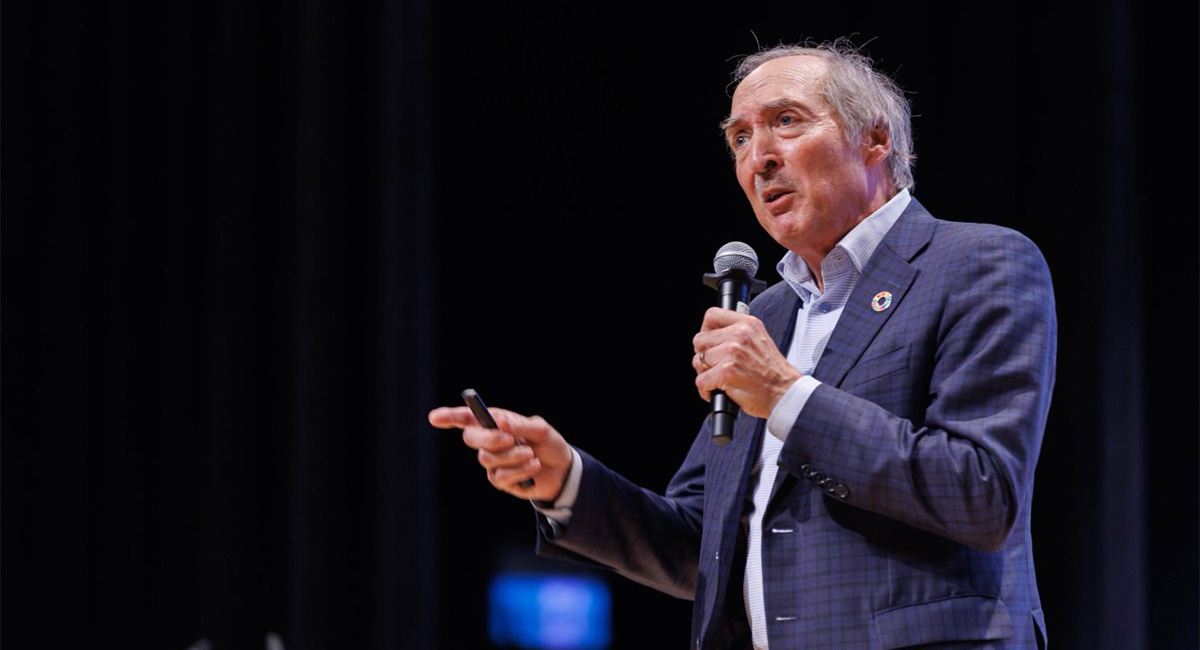
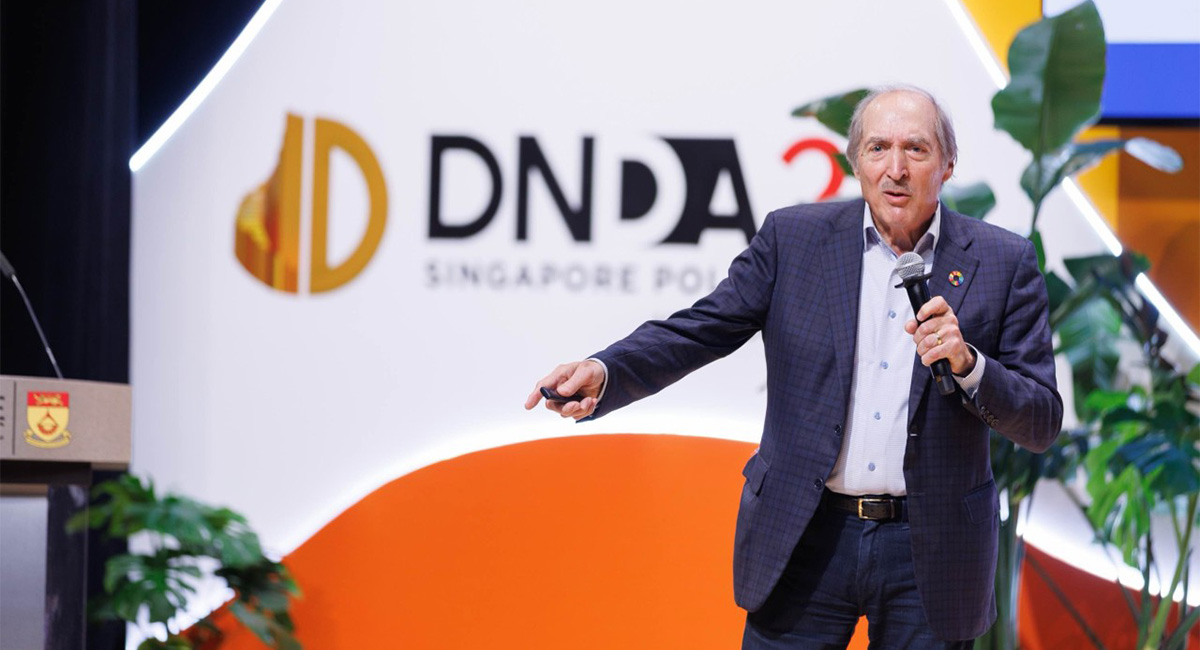
On November 19, Daniel presented a Keynote session examining how MIG has worked with community groups throughout the years and highlighted several of the firm’s projects that were driven by strong community involvement and leadership.
During his presentation, he introduced the concept of a social entrepreneur, or someone in the community who is so motivated to address the needs and challenges of where they live that they are willing to volunteer their time, engage their neighbors, and work tirelessly to improve conditions for everyone in their community.
Volunteer their time? Who has time for that?
Plenty of people. And they end up making a huge impact.
Daniel’s presentation highlighted two projects led by social entrepreneurs, and how MIG stepped up to support each one.
Pogo Park: Taking the Community’s Lead
Nestled within three railroad tracks, residents of the aptly named Iron Triangle neighborhood in Richmond, CA, wanted to improve the play park in their area.
Toody Maher, Richmond resident and founder of Pogo Park, took it upon herself to visit and evaluate all 56 parks in the City of Richmond. She led a small team of community members who pulled together the resources and energy to take on the planning and design of the Elm Playlot, a half-acre “pocket park” that lies in the heart of the Iron Triangle neighborhood.
Toody then contacted MIG co-founder Susan Goltsman to gather professional advice on how to approach the design of a park devoted to young children and youth, and how to pull together resources to take on the design of the play area itself. MIG’s outreach and engagement services supported Toody’s efforts and leadership to bring neighbors together to share their ideas and opinions to inform the design of the Elm Playlot. Additionally, MIG collaborated with Pogo Park partners and the City of Richmond to secure a $1.94 million grant from the California State Parks Department to rebuild Elm Playlot in accordance with the community’s vision. In fact, all the park’s elements were planned, designed, and even built by community residents. And in 2016, the State of California Parks Department names Pogo Park as an exemplary model of community engagement.
Once they raised enough money, the Pogo Park Team started work on another park in the southern part of the Iron Triangle: Harbour-8 Park, a two-acre parcel located on a two-block stretch of the Richmond Greenway, which was completed in 2019.
This park would not only be the second one the community would come together to plan, design, and build, but it would also serve as the start of the Yellow Brick Road—a streetscape improvement project that was inspired by the innovative youth in the area, who wanted to create a safe, walkable, vibrant corridor to connect the Elm Playlot to the Harbour-8 Park.
MIG trained community facilitators—from high school students to senior retirees to neighborhood leaders—to canvas the neighborhood and chat with everyone who would be affected about where and how they wanted to see their area improved. The project is underway and still in progress while MIG professional staff stand by, providing technical advice and support along the way.
Turkey Creek: Creating Resilience through Community Engagement and Partnership
Turkey Creek is a historic community on the Mississippi Gulf Coast. It was founded by formerly enslaved people during the Reconstruction Era. This close-knit farming community built a sustainable way of life and has thrived since its early days through its own initiative and fortitude.
The area was not without its hardships. The neighboring area of Gulfport grew rapidly, annexing Turkey Creek. Decisions made by local developers to enhance Gulfport would end up disenfranchising the residents of Turkey Creek for years to come. This was made apparent when Hurricane Katrina hit the Gulf Coast in 2005.
Like many other low-income areas in the wake of a natural disaster, Turkey Creek had fewer recovery resources allocated to it compared to other more well-to-do areas, and so once again it had to rely on its own grit and determination as it has always done in order to rebuild.
Turkey Creek resident and community activist Derrick Evans made a connection to MIG, expressing the need to learn how to recover from this event and how to bring his community into a neighborhood planning and restoration process. MIG staff answered the call and came out to work with Derrick among the piles of debris left in the wake of the hurricane to conduct an initial planning workshop with community members keen on restoring their neighborhood. Following Derrick’s lead, MIG provided planning and design support and helped to formulate a plan that would be used to guide the recovery of the Turkey Creek neighborhood.
“Communities that have a plan have a better chance of staying alive by putting forth their own vision for the future, and thereby creating a mechanism for fending off the risk of more powerful development interests from coming in and taking control” Daniel said. “We answered the call because we believed in the cause and knew that we had the tools and the capability to support Derrick and the Turkey Creek community.”
After the wreck of Katrina, the area was devastated once again by the BP oil spill in 2010 as was the case for many communities along the Gulf Coast from Texas to the Florida Panhandle. And again, MIG was called in by Derrick and Turkey Creek residents to update the Turkey Creek Community Plan, with a special emphasis on strengthening the neighborhood’s connection to all the communities that were similarly affected along the Gulf coast.
Bringing Others on Board
The day before the official start of the DNDA25 Conference, Daniel and Mukul Malhotra, MIG Chief Innovation Officer, Principal, and Director of Urban Design, conducted a training workshop focused on community engagement, meeting facilitation, graphic-notetaking techniques, and consensus-building. Forty-five participants from 17 countries attended, making it one of the more well-attended sessions. Attendees reviewed case studies highlighting MIG’s community design process and learned how they might apply these ideas to drive innovation and connect with social entrepreneurs in their own fields.
“We believe that by fostering and strengthening social connections, professional planners, designers, and project facilitators can significantly impact their communities and workplaces in many positive ways,” said Daniel. “And we are very excited to continue building our connections with people around the world, and sharing these ideas, methods and techniques in the years to come.”