
What do you get when you combine the San Andreas fault, a damaged water pipeline, a former missile silo from the Cold War, and a diversity of special status wildlife species and sensitive natural plant communities?
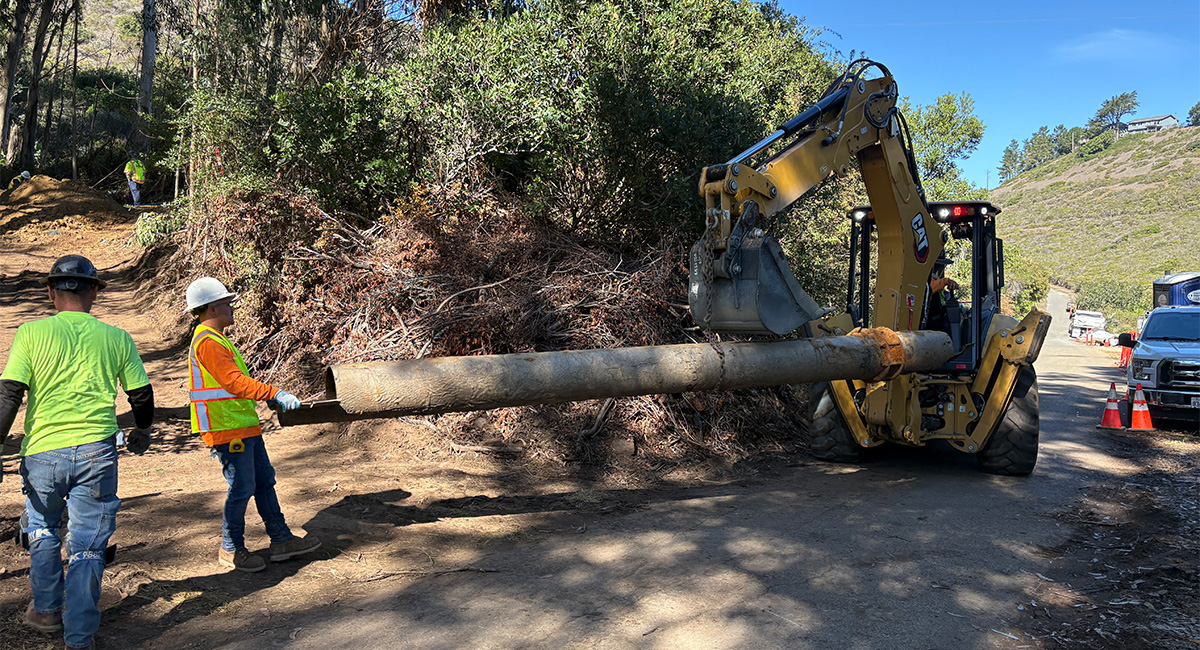
You get MIG’s most recent environmental and biological monitoring services project: the Sweeney Ridge Emergency Pipeline Rehabilitation Project in San Mateo County, CA.
An Intersection of Uniqueness
Stretching about 80 miles from the San Francisco Peninsula to Pajaro Gap near Watsonville, the Santa Cruz Mountains provide clean drinking water and outdoor recreation for local communities, while also protecting large, connected habitats that support diverse wildlife and rare plant and animal species. Sweeney Ridge, located at the northern end of the range, provides sweeping views of Mt. Diablo to the east and the Pacific Ocean to the west. Once used by the U.S. military during the Cold War as a strategic air defense site for the Nike missile program (1954-1963), Sweeney Ridge is now a cherished destination for nature enthusiasts, hikers, cyclists, and area residents seeking a peaceful place to relax and connect with the outdoors.
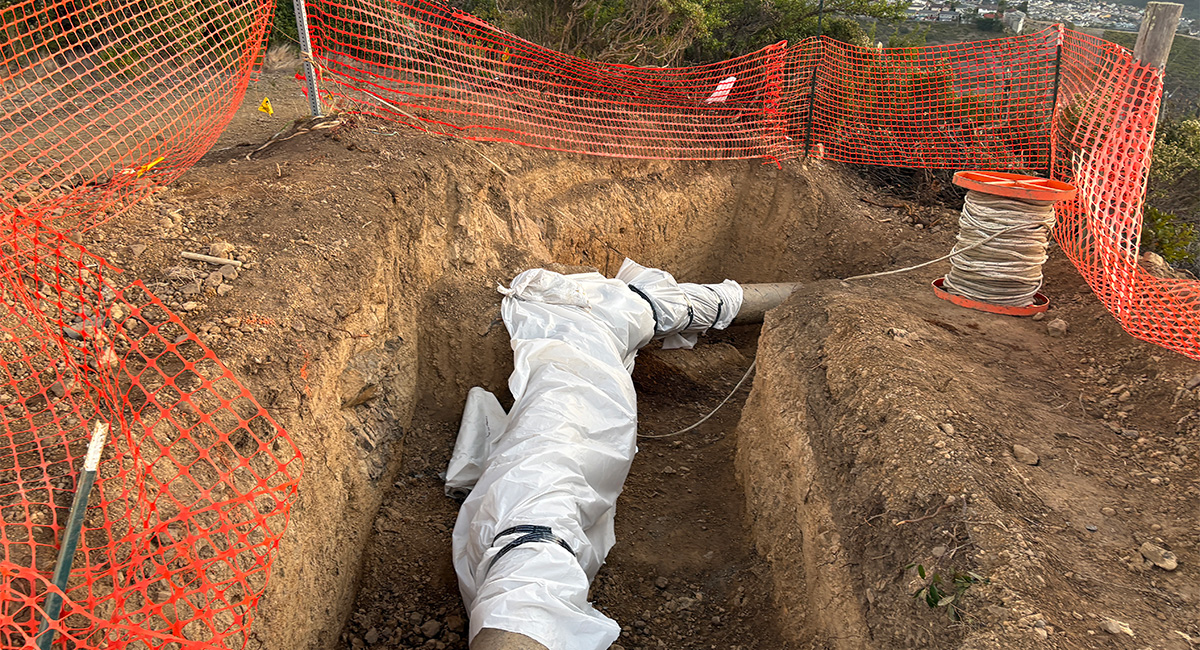
Beneath Sweeney Ridge’s calm landscape lies the San Andreas Fault, where constantly shifting tectonic plates shape the land and quietly remind us of the powerful forces below the surface. Over time, this shifting landscape can strain public utility infrastructure, leading to unexpected failures and the need for ongoing repairs. The forces of age and nature led to recurring failures in a water pipeline installed in 1955 that serves residential communities in the City of San Bruno. Rather than continue patchwork repairs, the City chose to replace major sections of the pipeline. The upgraded system now more reliably conveys water from Pilarcitos Lake to neighborhoods throughout San Bruno.
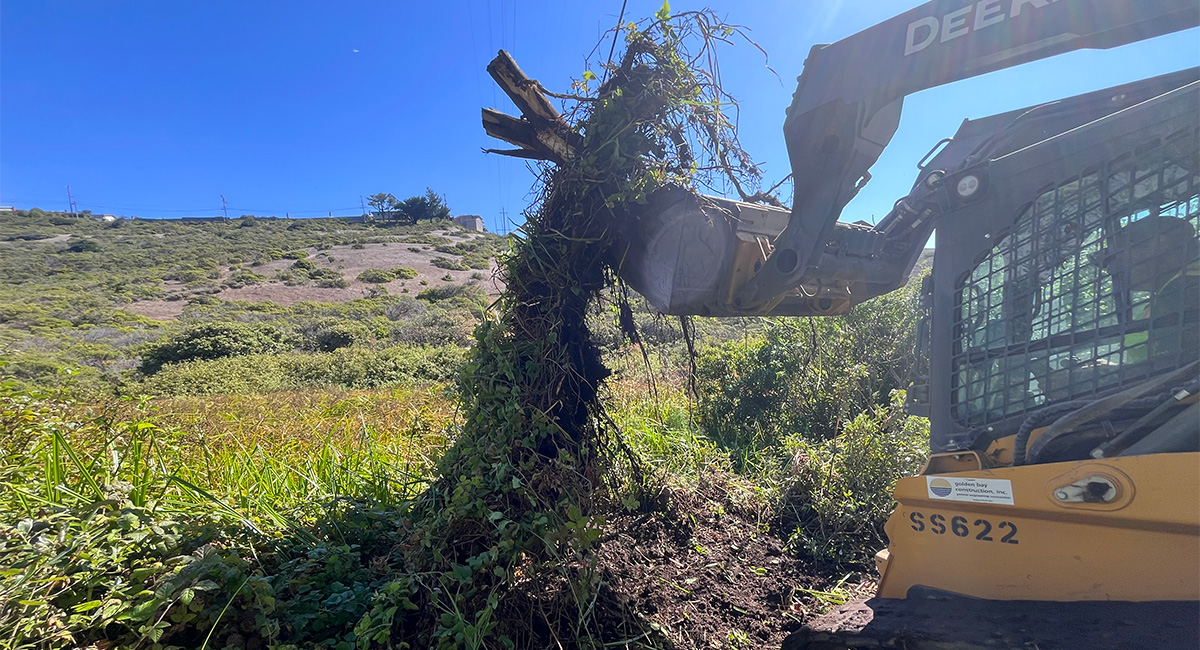
Because the quarter-mile pipeline crossed several plant communities that provide habitat for special-status wildlife and plant species, the City faced the unique challenge of repairing the pipeline using methods that minimized environmental disturbance and protected surrounding natural resources. The City used a combination of pull-through liners and targeted repair and replacement of pipeline segments along the alignment to avoid and minimize environmental impacts.
The intact upland and aquatic habitats along the pipeline alignment, combined with the area’s high biodiversity and potential to support special-status species, resulted in permit requirements from local, state, and federal agencies. MIG conducted a range of biological studies and monitoring efforts to ensure the project fully complied with the regulatory requirements and permit conditions issued by the U.S. Fish and Wildlife Service, U.S. Army Corps of Engineers, Regional Water Quality Control Board, California Department of Fish and Wildlife, and the City of San Bruno.
Environmental Safeguards for Wildlife and Plant Life
Before bird songs shared the air with the noise of construction equipment, MIG biologists conducted pre-construction surveys to identify sensitive resources listed in the permits that may be impacted by project development. Special-status species and sensitive habitats for this project included the California red-legged frog, San Francisco garter snake, San Francisco dusky-footed woodrat, Crotch’s bumblebee, nesting birds, and Mission blue butterfly host plants.
Once mapped out, staff review where sensitive resources overlap with the construction area and work with the client to develop avoidance measures, or proactive strategies to mitigate disturbances.
For instance, if construction is scheduled during bird nesting season, an avoidance measure would be to halt construction until the baby birds have hatched. If the bird’s area is disrupted too much, the adult birds might leave the nest, leaving the baby birds to perish.
For the projects that cannot hold or avoid a species, like this one, there’s a process for that as well.
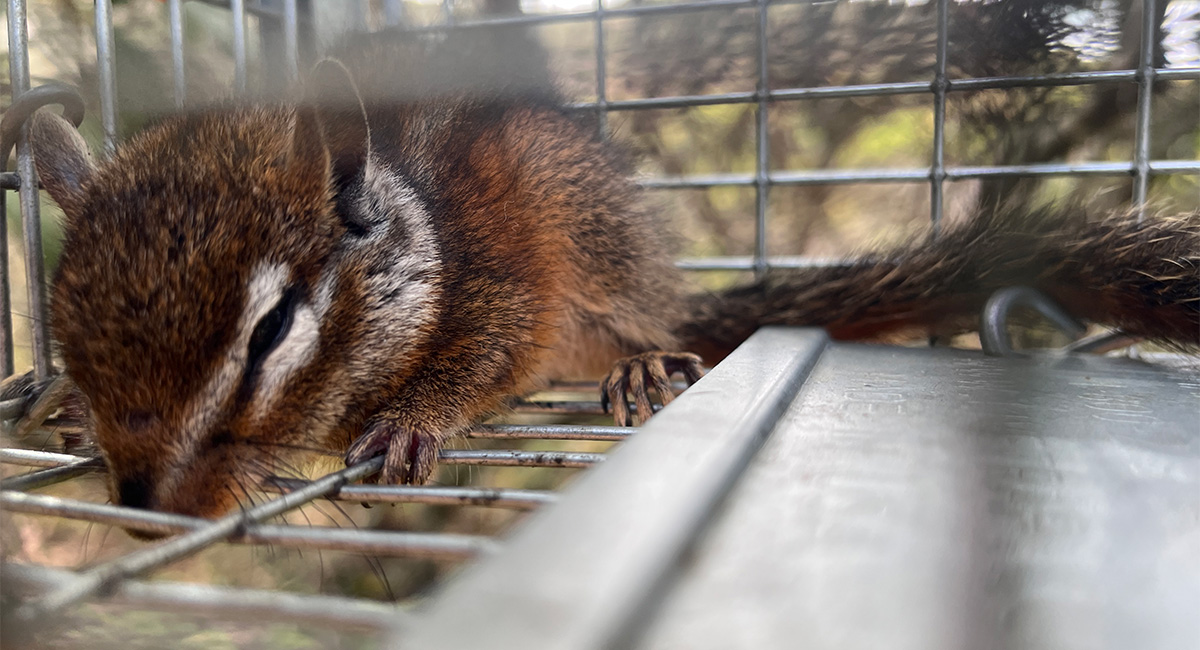
Wood rat habitats were found throughout critical construction site areas. Because construction could not comply with the 50-foot non-disturbance rule, staff had an approach to relocate not only the rats, but their 5×5 nests, to a different area. After safely gathering the rats, staff took apart, relocated and reconstructed the rat habitats outside of the construction zone.
All that work for some rats? Absolutely. And it doesn’t just stop there.
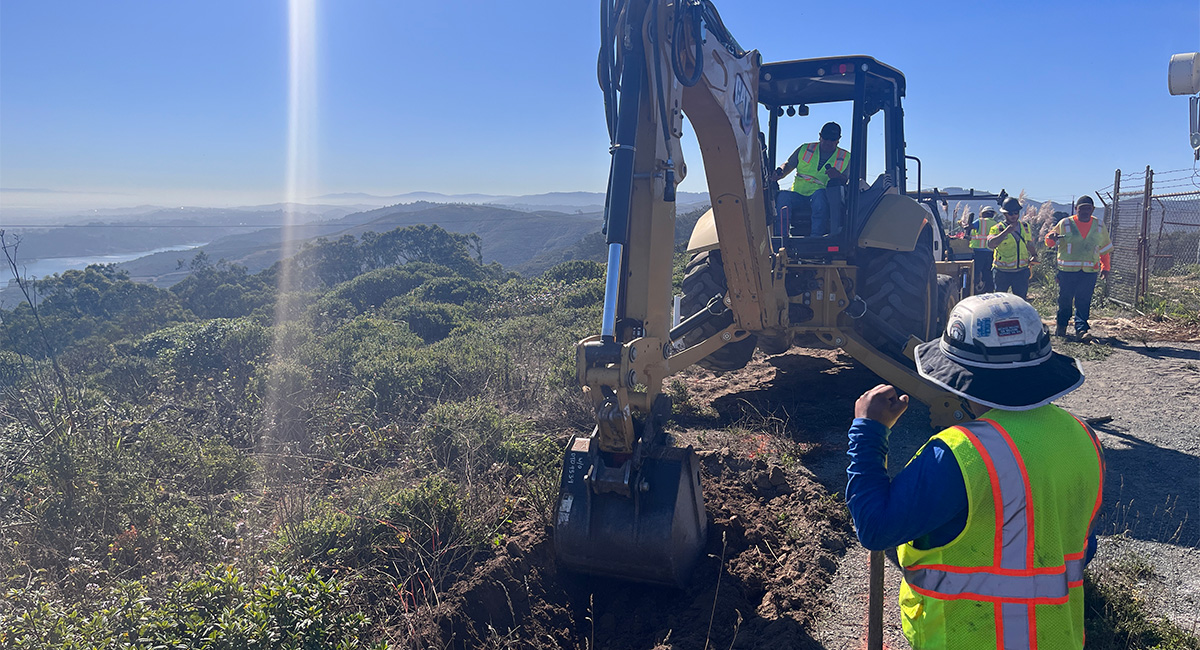
Everyone that is part of the project—MIG staff, construction staff, clients, surveyors—is onboarded with an environmental training to ensure clear communication, minimize impacts, and maintain consistent compliance in the field. Not only is it good for the project, but there are serious consequences—from fees to jail time—if out of compliance.
Ensuring Safe Habitats and Safe Communities
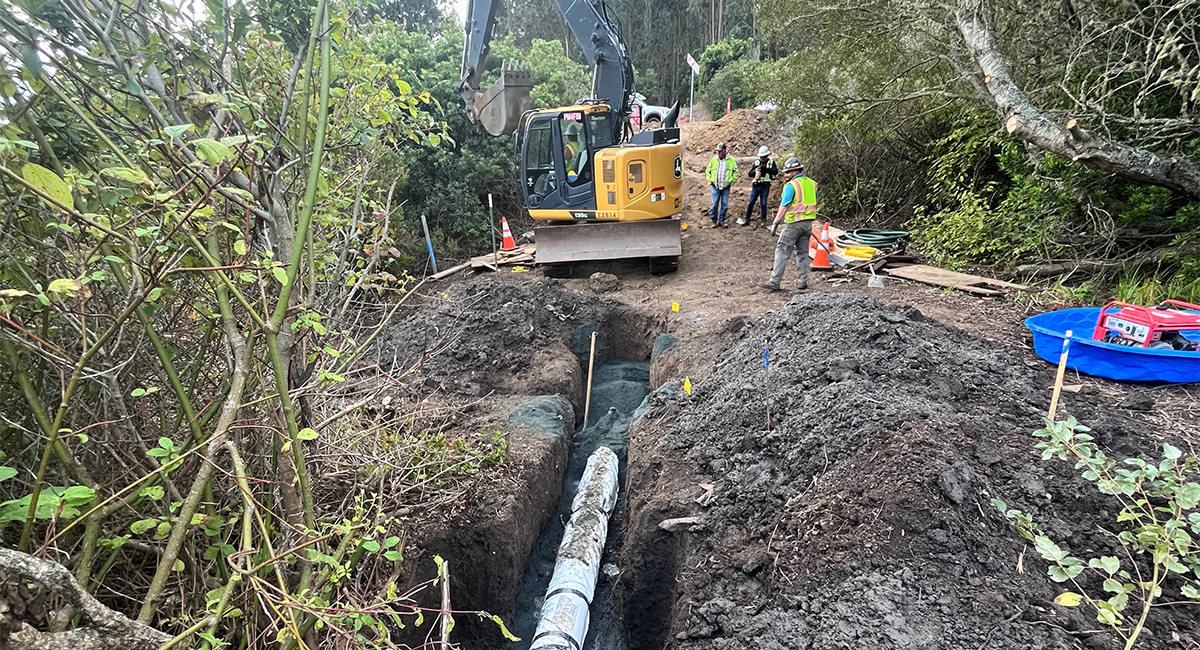
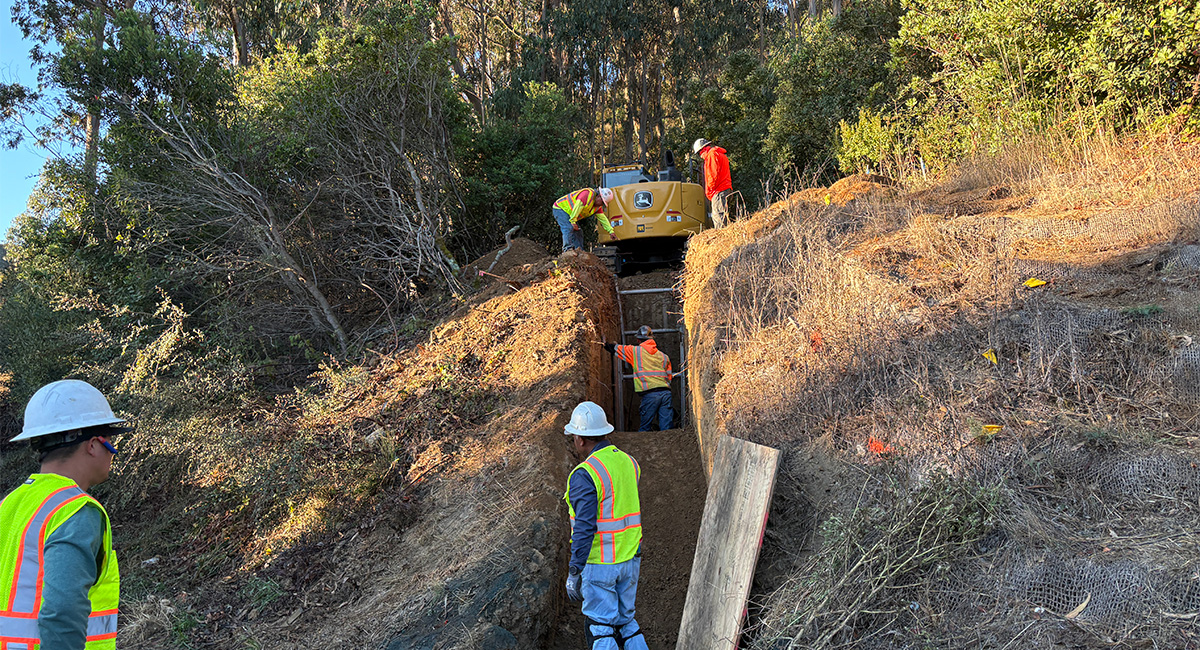
Every day of the pipeline restoration process, staff conducted a morning clearance survey before the crews arrived and inspected areas where construction would occur for the day, ensuring that all minimization measures to protect the local ecosystem during and after the project had been followed. An example of a minimization measure for this project was that large pits and trenches needed to be either covered or have ramps installed in them in case animals became stuck.
This kind of work came in handy for the San Mateo Pipeline project because along the ridgeline is a site where federally listed Mission blue butterflies were relocated. Part of the conservation approach was to map where all the lupin plants in the project site remained undisturbed throughout construction. These plants are essential for keeping the Mission blue butterflies alive, as they are the only source of food for the endangered species.
Throughout construction, MIG provided daily monitoring and reporting on biological compliance measures, stormwater pollution prevention practices, and other best management practices.
Ultimately, the project was so much more than just replacing aging infrastructure. Much like the interconnectedness found in nature, the work on the pipeline provided multiple benefits to the City: it ensured clean drinking water for the community and supported the survival of native species, allowing everyone to enjoy this cherished region of the Peninsula.