
Sand Creek Massacre National Historic Site Cultural Landscape Inventory
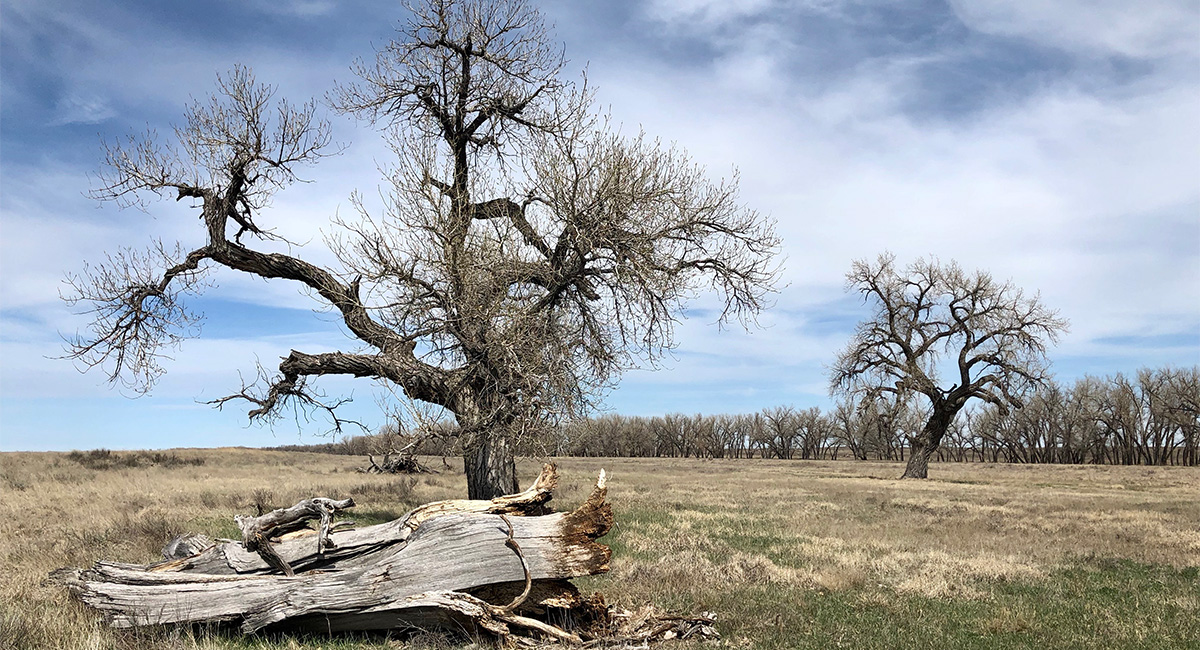
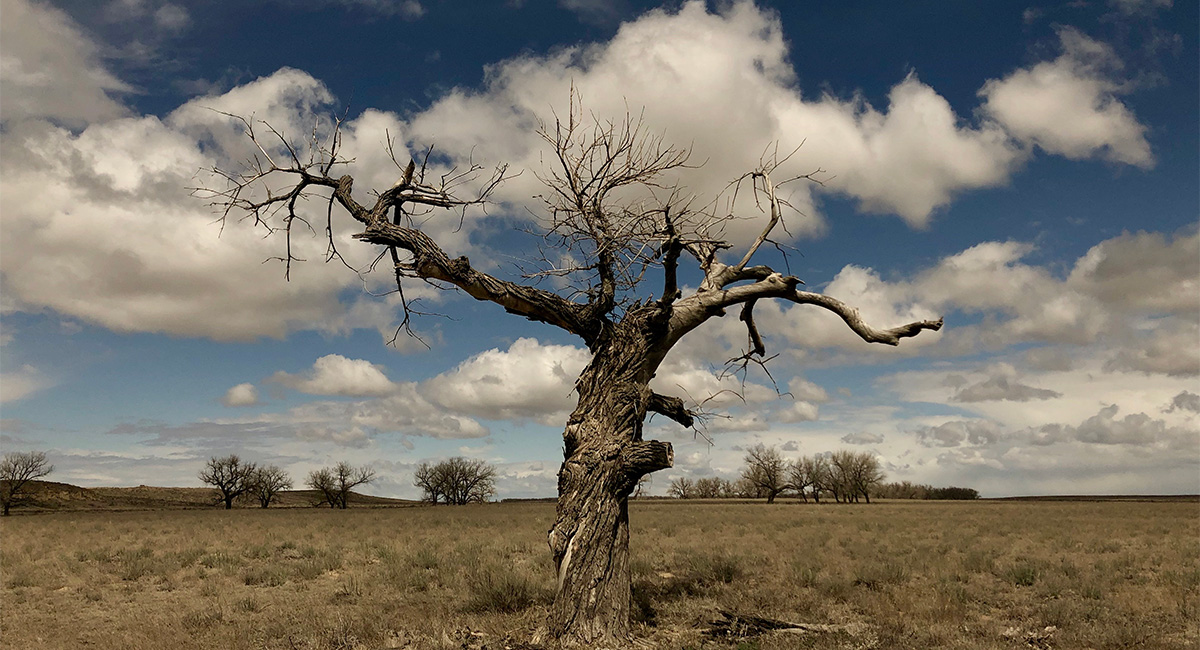
The Sand Creek Massacre National Historic Site on Colorado’s Great Plains is a somber memorial to the hundreds of Cheyenne and Arapaho people—primarily women, children, and elders—brutally killed by U.S. volunteer soldiers on November 29, 1864.
In order to gain deeper knowledge of this profound location, the National Park Service hired MIG to lead a Cultural Landscape Inventory that documents the history, cultural significance, features, and characteristics of the 3,000-acre site.
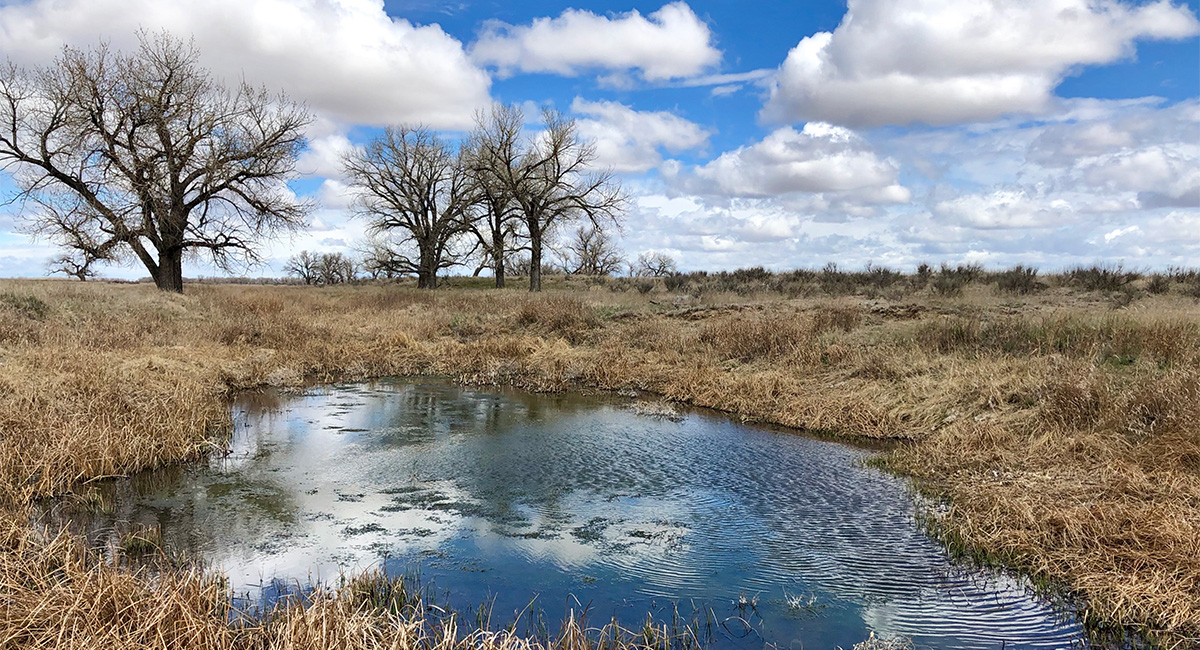
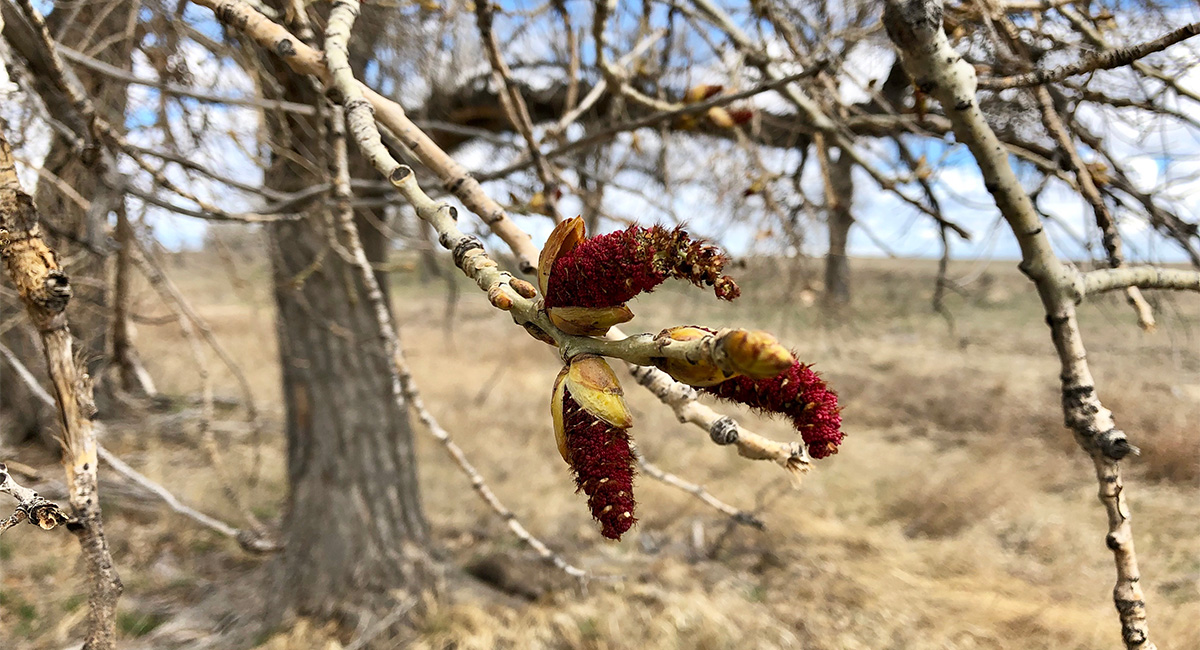
MIG worked closely with Park Service staff, History Colorado, and descendants of the Cheyenne and Arapaho who were present at the massacre to research the layered cultural history and long-standing significance of the Indigenous landscape that existed before the massacre and continues as a place of remembrance today. MIG also analyzed Sand Creek’s natural systems and features, topography, and archeology as part of the comprehensive study.
The Cultural Landscape Inventory helped the Park determine boundaries for an associated historic district and provided guidance for future stewardship of the district and the broader cultural landscape by NPS and Tribal partners.